
Fair Housing Is Foundational: Why It Matters on Atlanta’s Historic Westside
Each April, communities across the country recognize National Fair Housing Month, a time to reflect on the importance of safe, stable, and equitable access to housing.
This month is a reminder of the systems, policies, and people that shape who has access to opportunity.
And here on Atlanta’s historic Westside, that story runs deep.
What Is Fair Housing Month — and Why Does It Matter?
Fair Housing Month commemorates the passage of the Fair Housing Act of 1968, landmark legislation that made it illegal to discriminate in housing based on race, color, religion, sex, or national origin (with later protections added for disability and familial status).
After years of stalled progress, the legislation gained urgency in the days following the assassination of Dr. Martin Luther King Jr. Its passage in April 1968 came at a time when the nation was grappling with deep inequities — including the systemic barriers that shaped where people could live, invest, and build generational wealth.
Fair housing is about more than access to a home. It’s about access to stability, education, employment, and long-term opportunity.
Because where you live shapes nearly every aspect of your life.
A History That Still Shapes the Present
Atlanta’s historic Westside has long been central to the story of housing equity in America.
For generations, these communities were shaped by discriminatory practices like redlining, disinvestment, and unequal access to financing. While these policies are no longer legal, their effects are still visible today — in housing availability, affordability, and access to opportunity.
And yet, the historic Westside has always been more than its challenges.
It is a place of deep community roots, cultural legacy, and resilience — home to families who have built lives, relationships, and history here across generations.
Understanding fair housing on the Westside means holding both truths at once: the impact of past inequities and the strength of the community that has endured them.
Restoration Without Displacement: Putting Fair Housing Into Practice
At Westside Future Fund, fair housing isn’t just a concept — it’s a commitment in action.
Through initiatives like Home on the Westside, WFF works to ensure that restoration benefits both new and longtime residents. That means creating pathways to housing that are not only high-quality, but also accessible and sustainable.
This work includes:
- Affordable rental housing that meets the needs of current residents
- Affordable single-family homes and down payment assistance to support first-time homebuyers
- Property tax assistance programs to help longtime homeowners remain in place
- A focus on mixed-income communities that promote long-term neighborhood stability
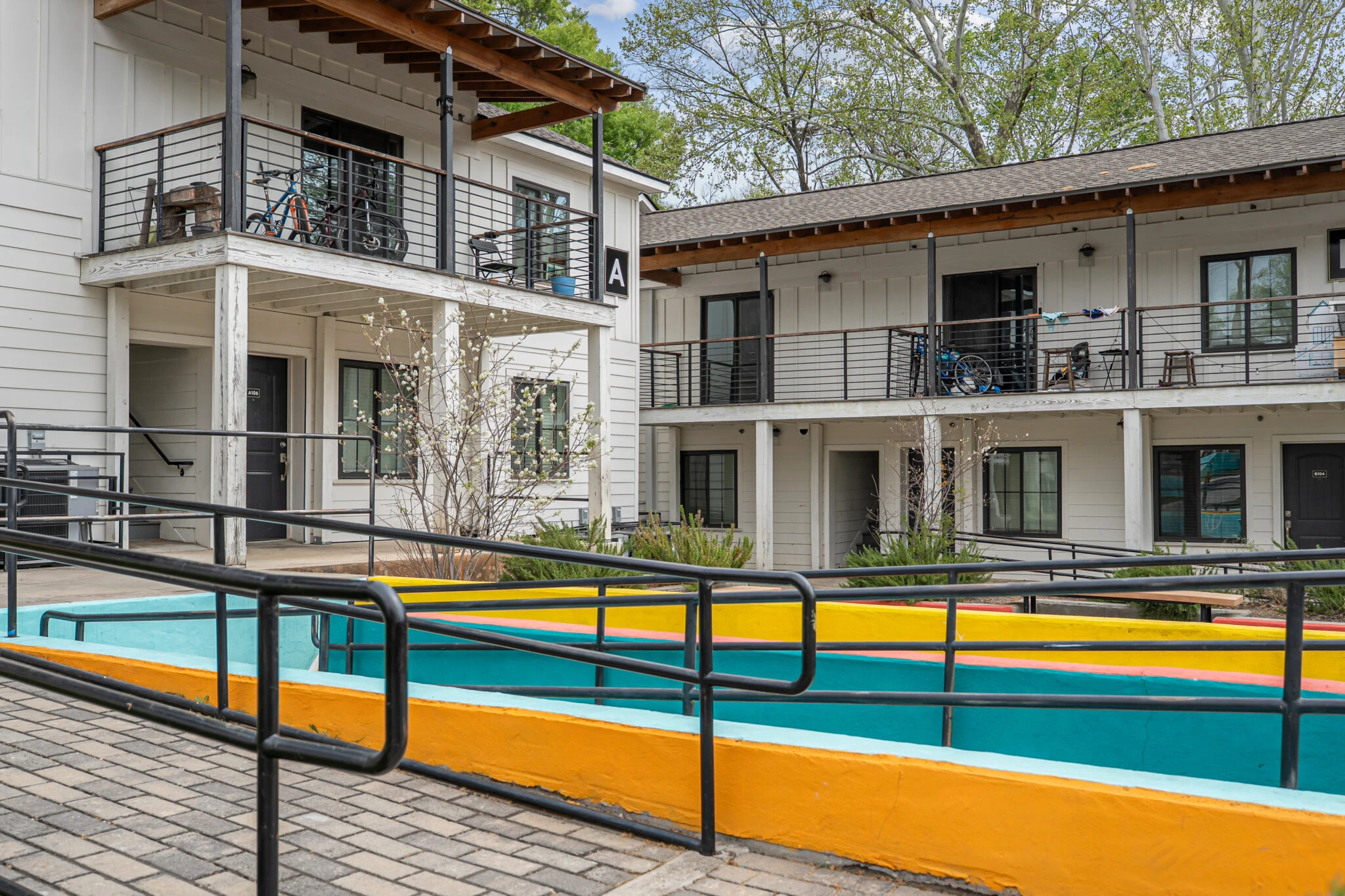
Developments like 839 Joseph E. Boone Boulevard and 646 Echo Street represent what this can look like in practice — transforming formerly vacant, blighted or underutilized land into high-quality, deeply affordable housing rooted in community.
Because fair housing isn’t just about opening doors. It’s about making sure people can stay.
Building a Future Rooted in Belonging — Together
Fair Housing Month invites us to look back — but it also calls us forward.
The work of ensuring equitable access to housing is ongoing. It requires collaboration between residents, community organizations, public partners, and private investment — all working toward a shared vision of neighborhoods where everyone has the opportunity to thrive.
On the Westside, that vision is grounded in something simple, but powerful: that growth should benefit the people who are already here. That community should not be displaced by progress — but strengthened by it. And that housing — at its core — is not just about where we live, but how we live together.